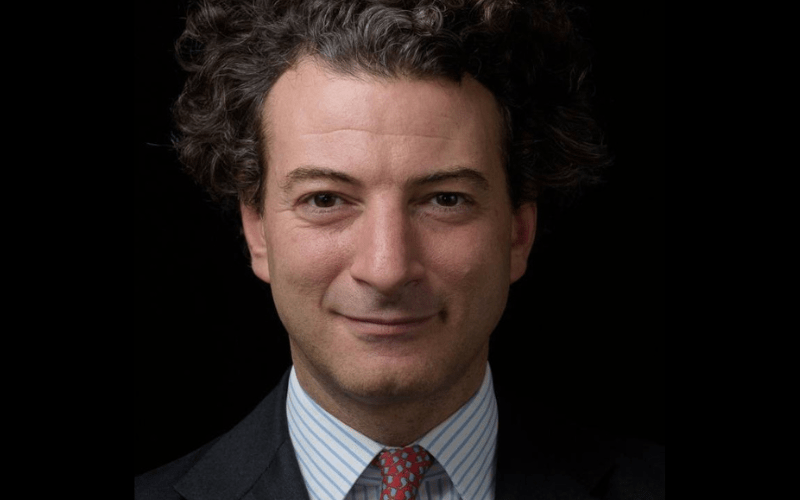
Federico Bianchi is is a career diplomat with over 20 years of experience in different organisations, including the UN, the EU and the Italian Foreign Service, and multiple countries. Currently Spokesperson and Head of Press & Public Diplomacy for the EU Delegation to the UK, he has had large experience in leading communication efforts in international relations.
Dr Bianchi recently visited UCL to deliver a masterclass hosted by the European Institute on the power of communication in diplomacy, focusing on the importance of a nuanced and strategic messaging in an increasingly volatile global geopolitical context. After this visit, I had the opportunity to ask Dr Bianchi some questions.
AM: Given your experience in public diplomacy, what role do you see for academic institutions like UCL in strengthening EU-UK relations?
FB: Academic institutions like UCL play a crucial role in strengthening EU-UK relations. They serve as platforms for dialogue and exchange of ideas, fostering a deeper understanding of each side’s perspectives. UCL, with its diverse student body and research initiatives, can contribute significantly by hosting discussions, workshops, and collaborative projects that focus on shared challenges and opportunities. Moreover, involving students in these dialogues prepares the next generation of leaders who can navigate the complexities of EU-UK relations. Together with my colleagues, it has been a privilege to work with UCL in the past few years on highly important projects such as the European Literary Map of London, an interactive tool with more than 70 entries in 23 European languages which presents London through the eyes of Europe’s writers and demonstrates London’s enduring relevance for European culture.
AM: What do you consider to be the key priorities for improving EU-UK communication and understandings?
FB: Both sides need to invest in clear communication strategies that demystify policies and decisions, helping the public understand the rationale behind them. Additionally, fostering grassroots initiatives that encourage dialogue between communities can strengthen mutual understanding. It’s also crucial to address misinformation and engage with diverse audiences to ensure that our messaging resonates with different segments of society. Misinformation – or FIMI as we prefer to refer to – is in fact an important area of focus in our relationship with the UK and we try and highlight the work we do with a yearly event, the London FIMI Forum, bringing together experts and key stakeholders from the EU, the UK and from around the world.
Also continuing highlighting the outstanding role of the European Union citizens in the UK and of the British diaspora across the EU is essential to continue fostering inclusivity and build on the pivotal contributions to the EU and UK’s stability, security and prosperity. Every year the EU Delegation hosts a large gathering for EU citizens in which hundreds of participants, representing NGOs as well as organisations operating across the country to protect EU citizens rights post-Brexit, come together with policy makers, diplomats, journalists and British friends to discuss topics of shared interest and share ideas.
AM: The EU Delegation has been very active on social media platforms. How do you measure the effectiveness of digital diplomacy in shaping British public understanding of EU policies and values?
FB: We measure the effectiveness of digital diplomacy through a combination of analytics, engagement metrics, and feedback. By tracking likes, shares, and comments, we can gauge public interest and sentiment. Additionally, conducting surveys and monitoring media coverage helps us understand how our messaging is perceived. It’s important to be adaptive; we analyse what resonates with our audiences and refine our strategies accordingly. Ultimately, the goal is to foster informed discussions about EU policies and values, ensuring that our communication is impactful and relevant. We are on X, Instagram, Facebook, Youtube and recently we have opened a LinkedIn page which is performing incredibly well. We link our social media also with our webpage and our podcast, “London calling EU”, a pivotal tool of our outreach that shines the spotlight on areas of EU-UK cooperation, allowing the protagonists of our relationship, especially within the arts, sciences, sports, as well as looking at people-to-people contacts to share their stories. It is available on Spotify and all major platforms.
AM: A more general question to round it off: what has been your most exciting part of living in London and representing the EU abroad?
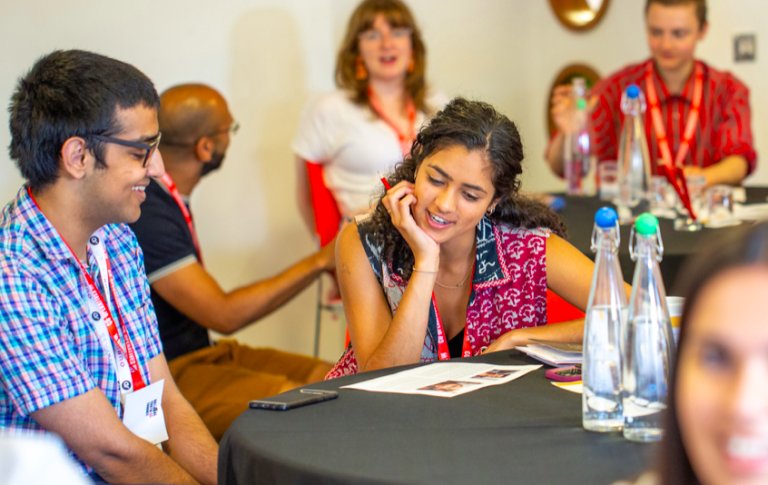
FB: Living in London has been an incredibly enriching experience for me. The city is a melting pot of cultures, ideas, and perspectives, which reflects the essence of what the EU stands for. One of the most exciting aspects has been engaging with diverse communities and witnessing the vibrancy of civil society here. The dynamism of London, combined with its historical significance as a global hub, offers endless opportunities for dialogue and collaboration. I’ve particularly enjoyed the chance to connect with young people, as their enthusiasm and innovative ideas remind me of the potential that exists when we work together across borders. To that extent I would like to mention the EU Delegation’s yearly Youth gathering, that brings together hundreds of young students, professionals as well as the members of grassroots organisations and our network of European societies from across the UK. We are particularly proud that the very first edition of the Gathering was organised with UCL’s European Institute back in 2023. A range of exceptional UCL young leaders took part in that event, as well as the UCL President and Provost, faculty and the EU Ambassador to the UK, Pedro Serrano. The Youth Gathering is our way to facilitate meaningful policy dialogue with young people across sectors and borders to find innovative answers to global challenges and share perspectives about EU-UK relations.
Aimé Mühlemann studies Politics and International Relations at UCL. He is the 2024-25 Communications and Outreach Intern at the UCL European Institute.
Featured image: Headshot of Federico Bianchi
Note: The views expressed in this post are those of the author, and not of the UCL European Institute, nor of UCL.
 UCL EUROPE Blog
Leave a comment